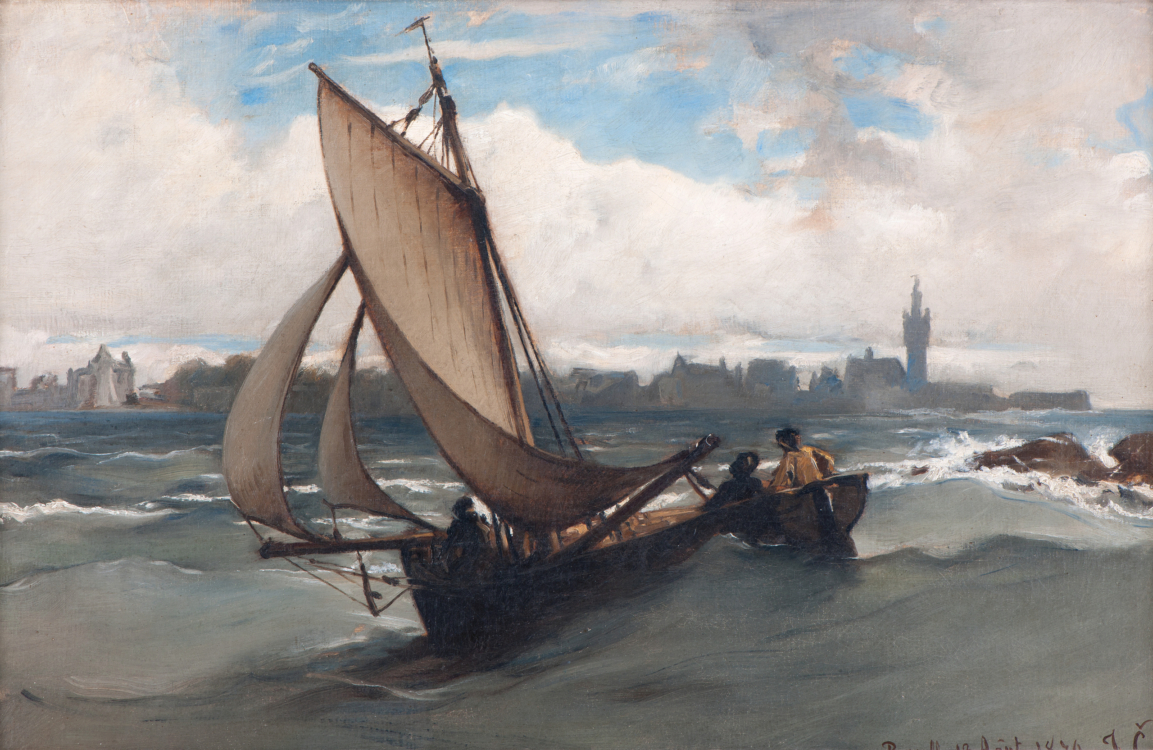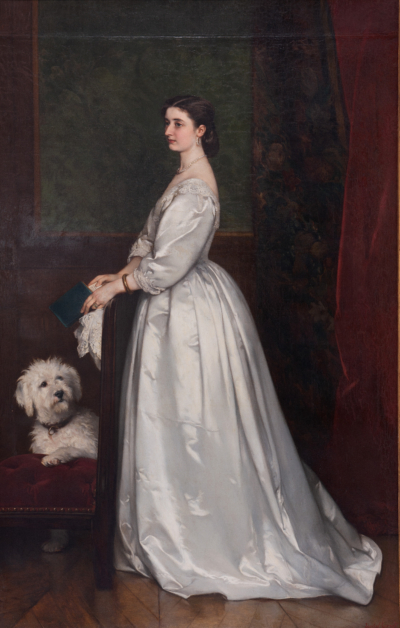
Jaroslav Čermák Myths of European Reality 4. 11. 2026 – 28. 2. 2027
Team of authors and curators: Markéta Theinhardt, Vjera Borozan, Kristýna Hochmuth, Šárka Leubnerová, Vít Vlnas and Markéta Vondrová; coordination: Dana Haltufová, Helena Musilová
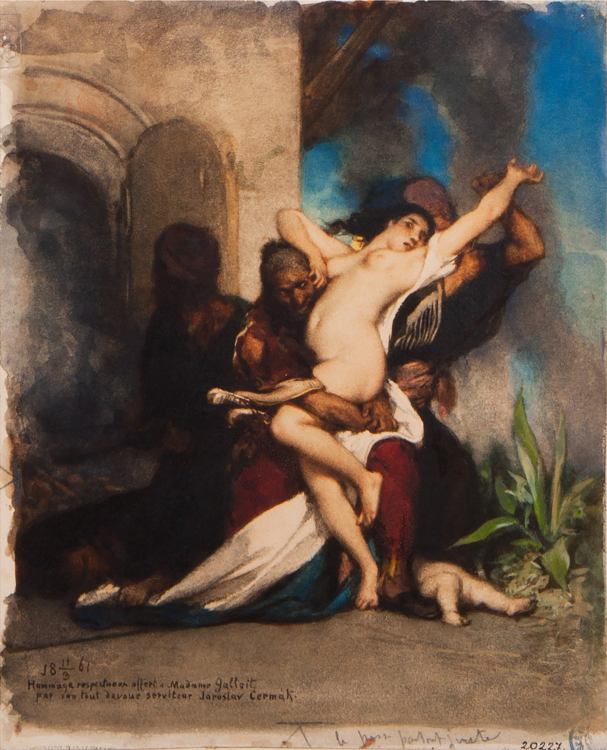
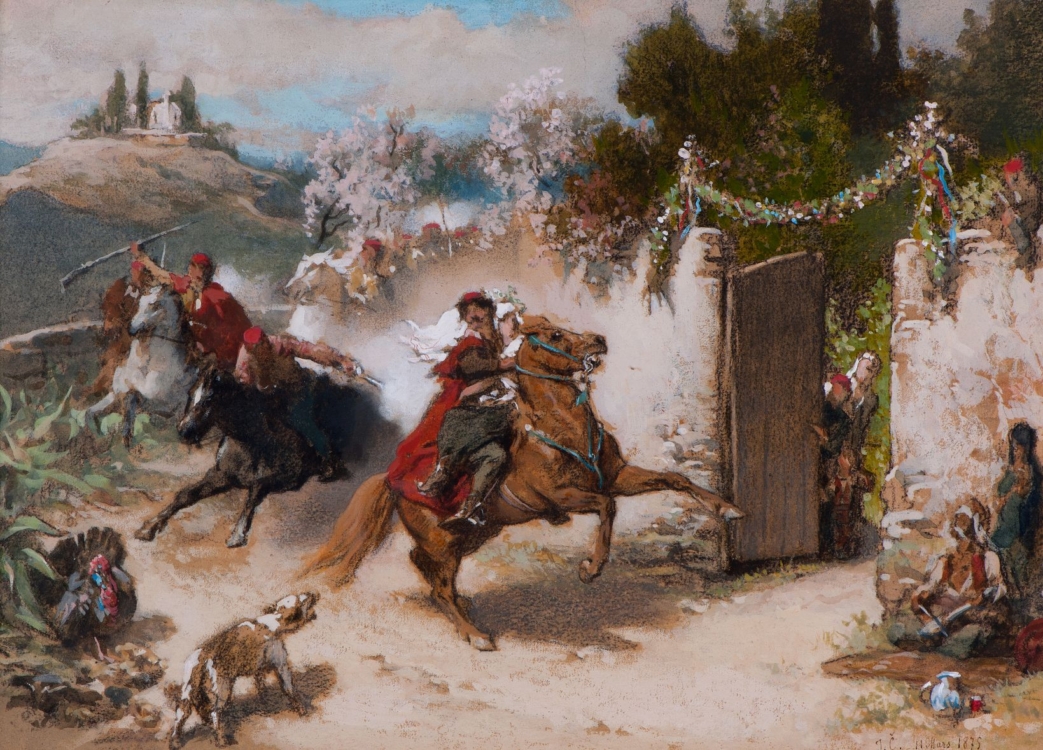
Prague City Gallery and the National Gallery Prague are joining forces to present a special exhibition of Jaroslav Čermák, which, for the first time in more than a hundred years, will present the work of this remarkable painter in its entirety and in a European context. Čermák (1830–1878) was one of the most talented artists of his generation, who succeeded in connecting the Czech experience with the international art world of the mid-19th century. He exhibited at the Paris Salons de la Société des Artistes Français, won awards in Belgium and France and his paintings found their way into collections throughout Europe.

During the long 19th century, the European art world was transformed into an arena of competition between individual schools, exhibition systems and commercial strategies. Academies, Salons and World’s Fairs intertwined with the emerging dealer-critic system, alongside the development of private galleries, reproduction techniques and the international market. Yet the national and the international were not simply opposed to one another: they were mutually dependent and were continually negotiated within a rapidly evolving arena of communication.
Jaroslav Čermák (1830, Prague – 1878, Paris) was one of the artists who, within this arena, established themselves simultaneously as members of a particular nation, pupils of a specific school and participants in the international art scene. He was educated in Prague, Antwerp and Brussels, and built his career primarily through Belgian and French exhibitions, Parisian studios, critics, art dealers and collectors. He identified with his Czech origins, but his work cannot be confined either to the framework of Czech “national art” or to a single stylistic category.
Following Čermák’s death, his work did not fade from historical memory, though its significance underwent a transformation. In the Czech context, the image of him as a patriotic and Slavic painter became increasingly prominent, whilst the more complex links between his work and Belgium, France, the art market of the time and international criticism receded into the background. Reproductions, obituaries, retrospective exhibitions, Hippolyte Gallait’s donations to the City of Prague and later literary and film adaptations gradually gave rise to Čermák’s “second life”. From a European professional, whose paintings were part of a rivalry between national art schools and the transformation of the exhibition scene, he became the hero of a story about loyalty to his homeland, Slavic mutuality and the struggle for freedom.
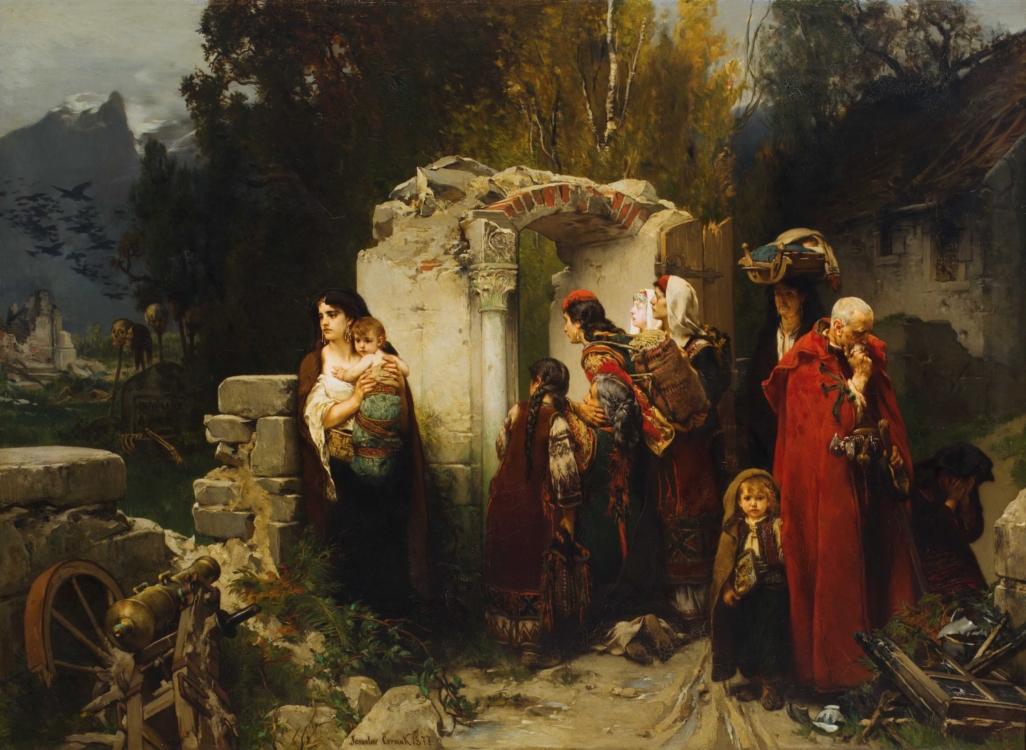
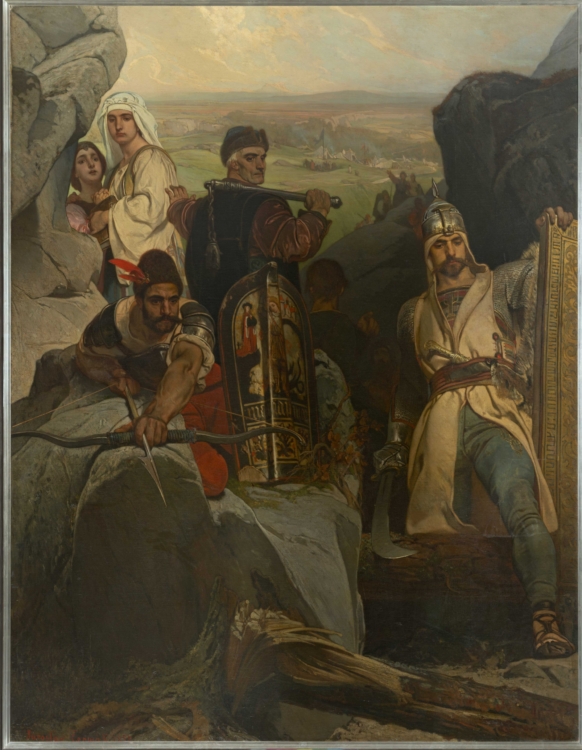
The title Myths of European Reality evokes the transformations that the observed reality underwent in Čermák’s paintings. His friend may well have posed in a Herzegovinian costume; elements of clothing from different regions were combined in a single figure; and a scene created in the studio was later regarded as a record of a specific event. Reproductions, critical texts and the political climate then added further layers of meaning to the paintings and integrated them into different national memories.
The exhibition, prepared in collaboration with the National Gallery Prague and an external team of researchers, will present loans from the Musées royaux des Beaux-Arts de Belgique, KMSKA in Antwerp, Musée de la Vie romantique in Paris, Amsterdam Museum, and the National Gallery Prague. It aims to place Čermák’s work once more within this multi-layered context. It does not separate artistic creation from its presentation, sale and reproduction, whilst at the same time distinguishing between the artist’s documented experience, pictorial construction and the biographical myth that was formed later. New archival, art-historical and conservation research has clarified the chronology, the network of Čermák’s personal and business relationships, the reception of his works and his working methods. The project therefore does not represent the “rediscovery” of a forgotten artist, but rather a new monographic assessment of an artist whose place in Czech art was enduring, albeit subject to significant shifts in interpretation.