Terra Incognita 1. 10. 2026 – 3. 1. 2027
Curator: Martin Netočný
How do media and measurement technologies influence our perception of the world and our relationship to it?
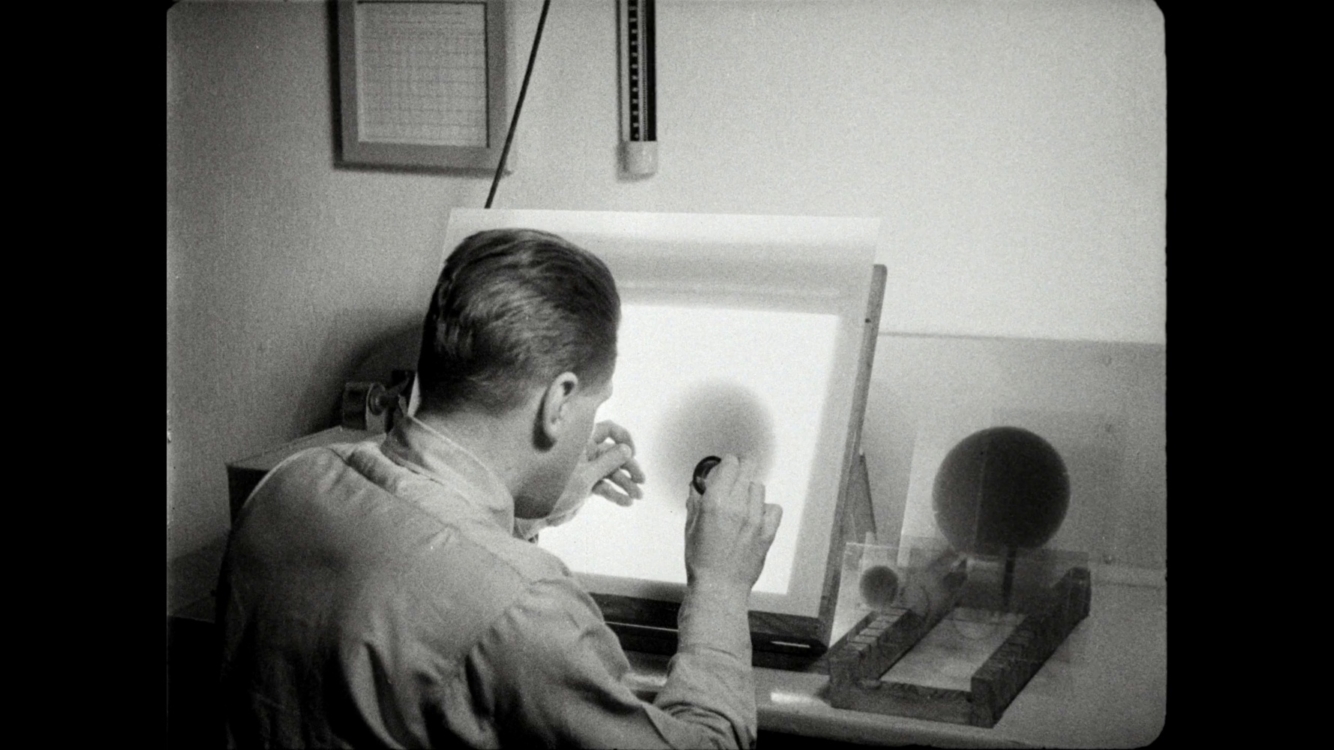
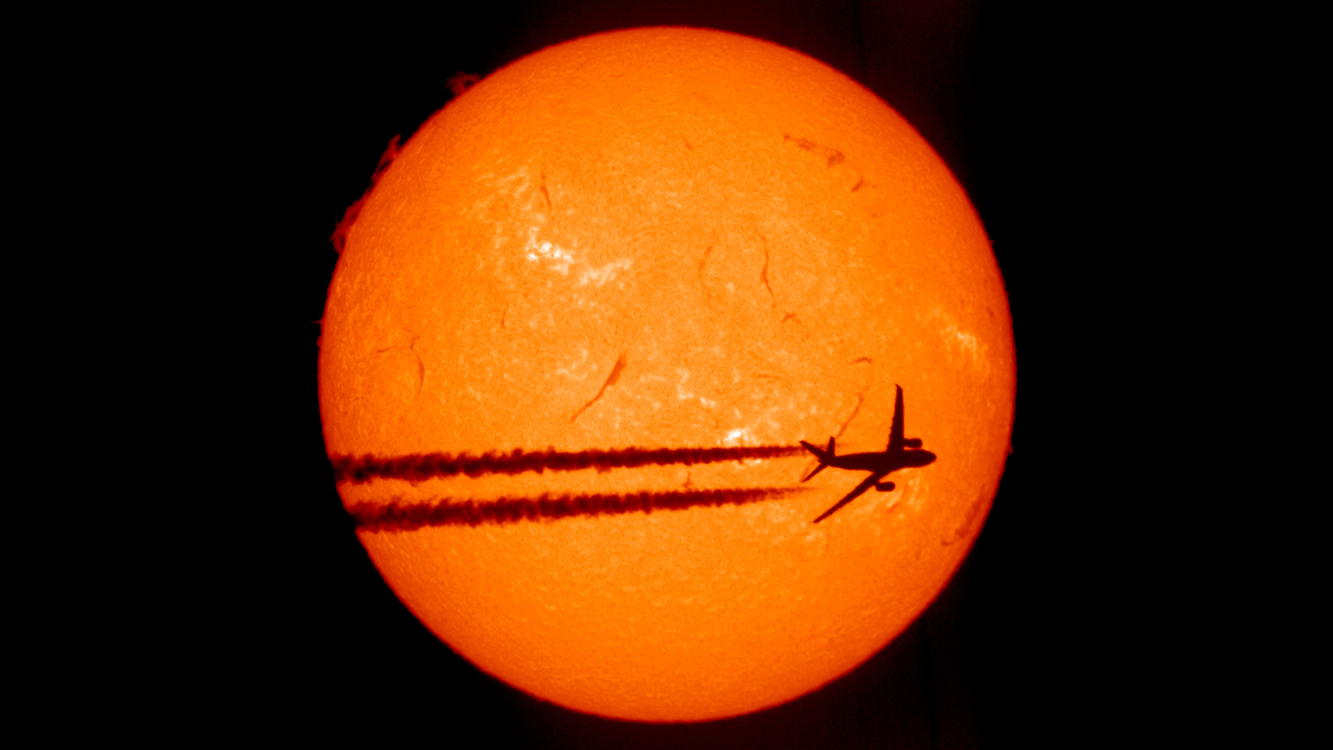
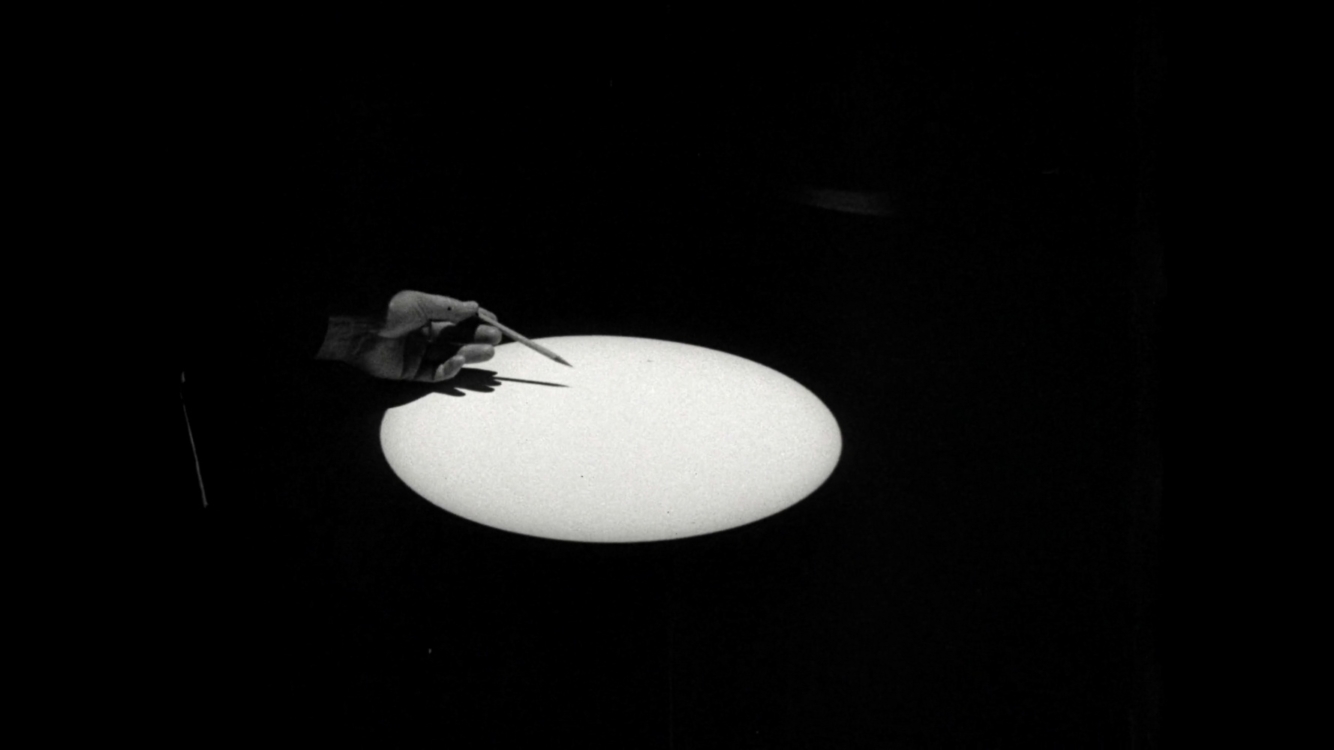
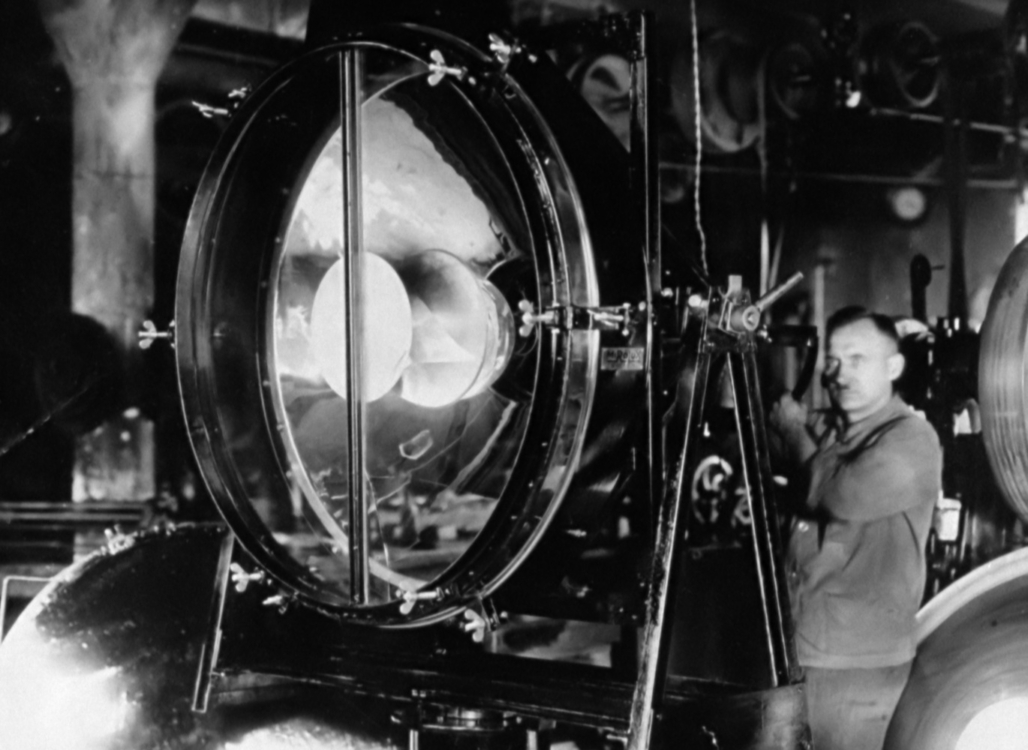
The Terra Incognita exhibition will attempt to answer this question through video essays and gallery installations. In doing so, it will highlight the processes that, in the long term, link the representation of the Earth with its understanding as a resource intended for extraction and conversion into capital. At the same time, it will point out that media and measuring devices themselves are dependent on the extraction of raw materials, as they contain a wide range of minerals and precious metals.
Exhibiting Artists: David Blandy, Kryštof Brůha, Harun Farocki, Su Yu Hsin, Sasha Litvintseva & Beny Wagner, Ioana Vreme Moser, Bára Mrázková & Karolína Žižková, Susan Schuppli, Selmeci Kocka Jusko, Agustina Woodgate


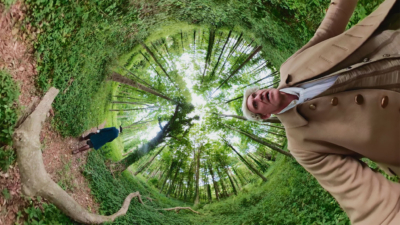
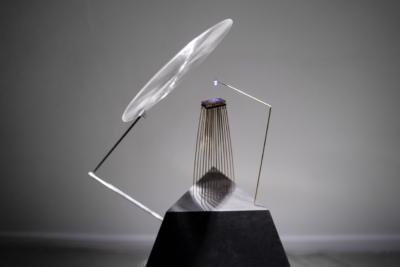
The first part of the exhibition will focus on ways of perceiving reality shaped by politics and history. How we depict, describe and measure the world influences how we think about it. This section will demonstrate that even seemingly objective systems, such as scientific units or measurement methods, are not neutral but arose within a specific historical and political context. Through the lens of a video essay by Sasha Litvintseva and Beny Wagner, for example, we will examine a calculation error that remains embedded to this day in the standard of European measurement – the unit of the metre. Using an installation by Agustina Woodgate, we will then subject the fundamental unit of matter – the single electron – to similar scrutiny.
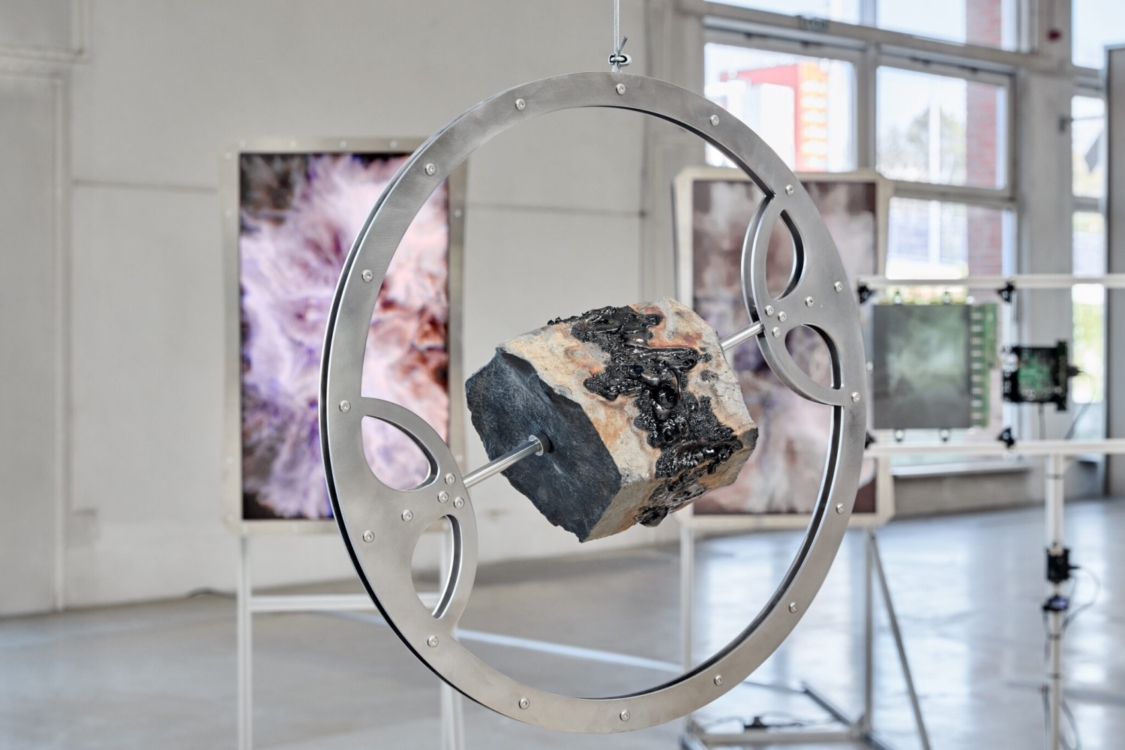
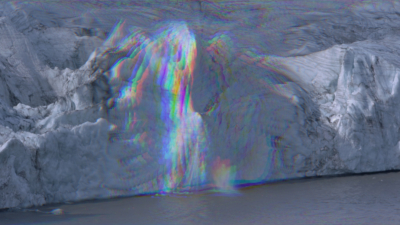
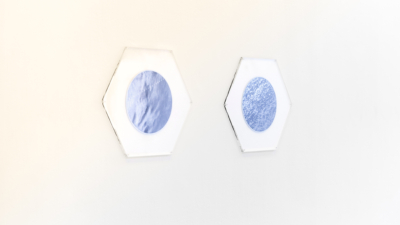
The second part will then present projects that draw attention to objects and materials that we normally do not address or see when using imaging technologies. For this purpose, the processes of recording, storing, and reading information will be transformed into performative events. The exhibition highlights these issues, for example, through an installation by Ioana Vreme Moser, which focuses on the relationship between the recording of information in microchip circuits and its gradual degradation. A similar connection between recording technology and the surrounding environment is also revealed in a video essay by Susan Schuppli, which observes the behaviour of a camera chip under Arctic winter conditions.
The exhibition’s concept is based on the term terra incognita, which Europeans used for centuries to label unknown territories on maps – the so-called blank spots. They invariably viewed these from a distance, as territories that needed not only to be explored and described, but subsequently also occupied and exploited through resource extraction. This now-obsolete cartographic concept will be imbued with new meaning within the gallery space itself, one that defies the logic of conquest. Through individual works of art, the exhibition reevaluates the distance from the world that imaging technologies have given us and reminds us that we are dependent on natural resources and bear a certain responsibility towards the planet.